

23 January 2013
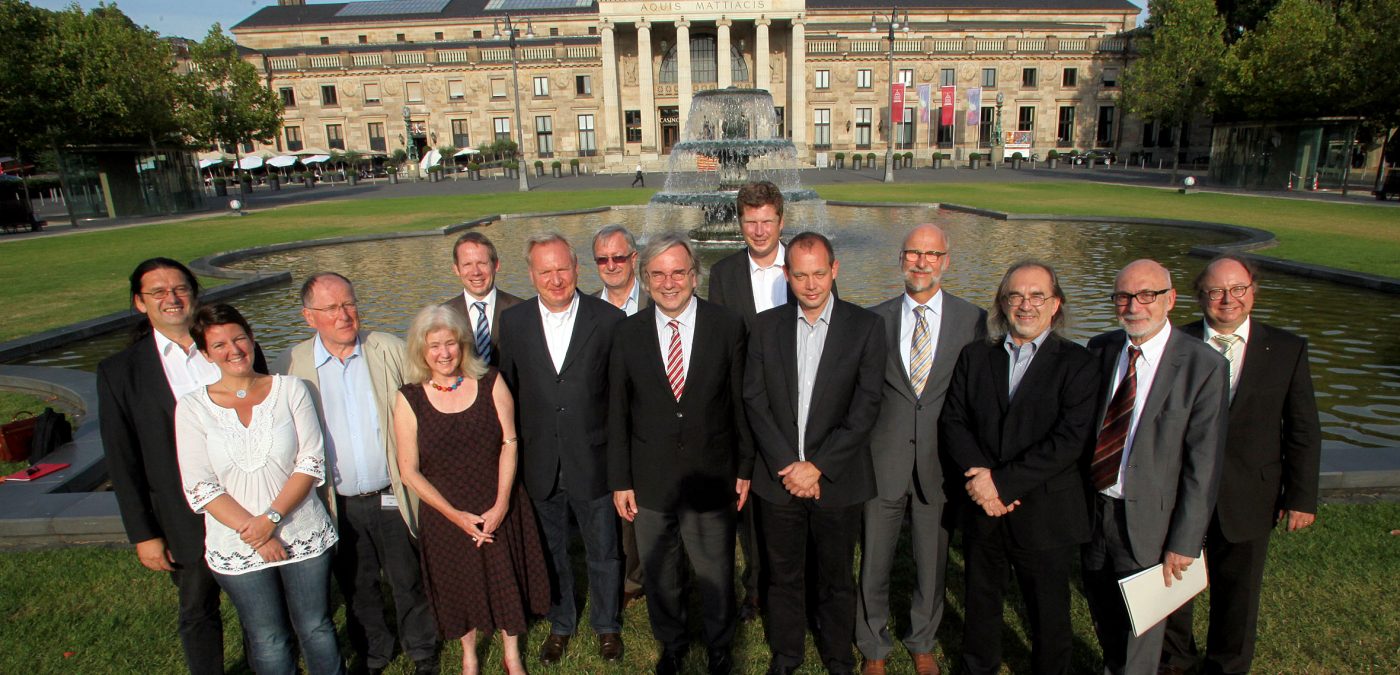
The City of Bath is working with a group of European Spas under the project title ‘Great Spas of Europe’. In 2007 the Czech Republic took a proposal to UNESCO seeking recognition of three spa towns for the contribution that they had made to European Culture. Spas were the nineteenth century ‘Cafes of Europe’, where the rich, famous and enlightened met to socialise at the birth of the modern tourist industry. A unique urban form emerged, with towns expanding not for the usual reasons of trade, defence or industry, but as ‘outdoor hotels’ and playgrounds for seasonal visitors.
UNESCO accepted the idea, but asked for wider thematic studies to look at other spas. Following a 2010 conference in Baden Baden, Germany, the ‘Great Spas of Europe’ group was formed. Now, under the leadership of the Czech Republic, Bath is working with the following group members toward a possible transnational World Heritage nomination: Karlovy Vary (CZ), Marianske Lazne (CZ), Frantiskovy Lazne (CZ), Luhacovice (CZ), Baden Baden (D), Bad Kissingen (D), Wiesbaden (D), Montecatini Terme (I), Vichy (F) and Spa (B). This is a long term exercise with many uncertainties ahead, but nevertheless an exciting project exploring an area of urban form and culture currently under-represented in the World Heritage list.
Photograph: Mayors and representatives of the Great Spas of Europe group, at Wiesbaden, Germany.
Find Us

Espace Quatre Cents
100, Quai Saint-André, Bureau 140
Québec (Québec) G1K 3Y2
Canada
+1 418 692-0000
Confidentiality Policy
Social Media Policy